
Tri-C President: How Organizational Leaders Can Fuel Community Impact
Michael A. Baston discusses how partnerships and outreach efforts can amplify organizational impact throughout the community and region
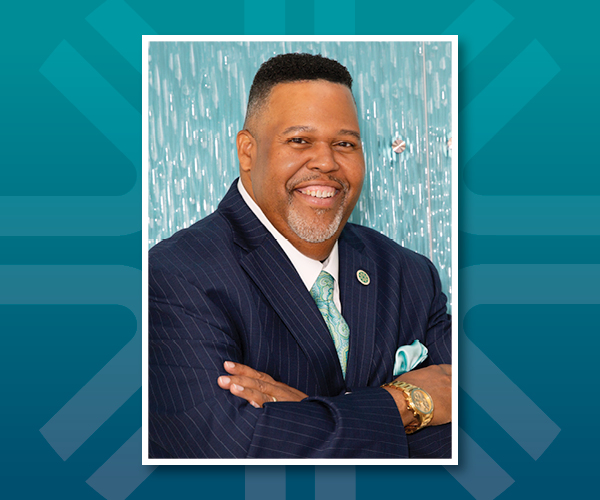 Cuyahoga Community College (Tri-C®) President Michael A. Baston, J.D., Ed.D., believes that business impact is more than the products shipped or the services rendered. It is about the assets that don't always show up on a balance sheet, such as expertise and the ability to drive momentum in the regional economy.
By expanding the conversation, organizations can transition from being vendors to essential pillars of their community.
In his May 2026 column published in Smart Business Magazine, Baston explains how the College's third pillar of its Vision 2030 strategic transformation plan, "Amplify Community Impact," can reshape how businesses frame their value to current and potential customers.
"Amplifying your community impact is, at its core, all about breaking down silos," Baston said. "It is about finding ways to leverage your company's expertise, brand and other assets to build powerful partnerships that benefit your company, your partner company and the communities you serve."
As an example, the College pursues strategic partnerships with organizations like the Cleveland Guardians and Hudec Dental, creating specialized training facilities and direct employment pathways that benefit students and the Northeast Ohio workforce.
Baston pointed to three questions that organizational leaders should consider when gauging how to amplify their community impact:
- What does my business excel at? Beyond just sales, leaders should identify their unique strengths in thought leadership and community presence to determine the specific value they bring to a professional partnership.
- Where are my potential partners? Look for industry and community organizations where synergies exist, such as the way Tri-C provides skilled talent to meet the specific workforce needs of local businesses.
- How can we grow together? The most effective collaborations are mutually beneficial, requiring leaders to align their organization's future goals with a partner's to ensure long-term, shared success.
"Don't just sell a product or service," Baston said. "Sell everything your business does well by finding other organizations that want to do the same thing. By looking outward, you amplify your community impact and become a force for good throughout the region."
Read the entire column at sbonline.com.
Baston is a regular contributing author for Smart Business Magazine. Read his most recent columns:
- The pathway to purposeful growth (February 2026)
- How to build a people-first culture focused on growth, and why it is essential for your organization (November 2025)
- Developing employees who are ready to face the future (July 2025)
- Plan ahead or be left behind (May 2025)
- Empowering your people is about more than just opening doors (February 2025)
May 07, 2026
MEDIA CONTACT: Anthony Moujaes, 216-987-3068 or anthony.moujaes@tri-c.edu