
Five Questions With Janice Lapina
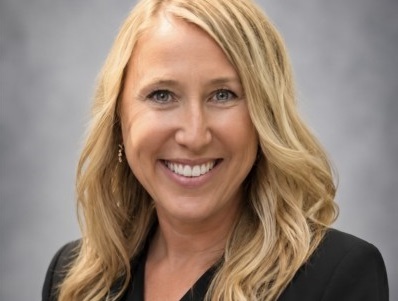
Janice Lapina joined Cuyahoga Community College (Tri-C®) in July as executive director, Manufacturing and Engineering. She is a higher education and workforce development leader with nearly two decades of experience.
What brought you to Tri-C?
What brought me to Tri-C was the opportunity to be part of an institution that creates meaningful pathways for students while strengthening the community through education, workforce development, and strategic partnerships. Throughout my career, I've been motivated by opportunities where I can make a lasting impact, and Tri-C's mission strongly aligned with that passion. I saw the chance to contribute my experience, collaborate with talented colleagues, and help advance initiatives that support both student success and regional economic growth. At the same time, I viewed Tri-C as an environment where I could continue to grow as a leader and broaden my perspective in higher education.
What work being done right now in Workforce Innovation’s Advanced Manufacturing and Engineering programs most excites you?
What excites me most about the work happening in Workforce Innovation's Advanced Manufacturing and Engineering programs is the impact we're able to have on both individuals and employers. First, I'm passionate about helping students and workers gain the skills they need to advance their careers, increase their earning potential, and achieve a sustainable living wage. Whether someone is entering the workforce for the first time or looking to upskill and move into a higher-paying role, it's rewarding to see education create real opportunities and improve lives.
Equally exciting is the work we do with our industry partners. We collaborate with companies to develop their workforce, address skills gaps, and increase productivity and competitiveness. When businesses have a stronger, more skilled workforce, the benefits extend beyond the company itself. That success contributes to economic growth, strengthens the manufacturing sector, and helps support the long-term vitality of Northeast Ohio. Being able to create value for both individuals and employers is what makes this work so meaningful to me.
How will this work impact Tri-C students as they prepare to enter the NEO workforce?
These programs play a critical role in helping fill workforce needs across Northeast Ohio. For Tri-C students, that means gaining access to the skills, credentials, and hands-on experiences that employers are actively seeking. Through our Advanced Manufacturing and Engineering programs, students are not only preparing for jobs, they're preparing for careers with growth potential, stability, and sustainable wages.
Just as important, our close partnerships with industry help ensure that what students are learning aligns with current workforce demands. By connecting education with the real needs of employers, we're helping students transition more confidently into the workforce while creating a stronger talent pipeline for the region.
How are changes in higher-education legislation like HB96 affecting programs like yours?
Our Advanced Manufacturing and Engineering programs have always been focused on providing students with hands-on learning experiences that build the skills and competencies needed for success in the workforce. From that perspective, the emphasis in HB 96 on work-based learning opportunities aligns well with the direction of our programs.
I also appreciate that the state has provided a clear structure and timeline for implementation, allowing colleges to plan thoughtfully while continuing to deliver high-quality workforce training. Ultimately, our focus remains on ensuring students gain relevant, real-world experiences that prepare them for high-demand careers and help address workforce needs across Northeast Ohio.
In which Advanced Manufacturing and Engineering areas do you see the most student excitement and why?
During my short time at Tri-C, I've seen a great deal of excitement around welding. Students are drawn to the program because they can clearly see the connection between the skills they're learning and the career opportunities available to them. Welding remains an in-demand field, and students recognize that the training they receive can lead directly to meaningful employment, career advancement, and sustainable wages.
I think that being able to see real career pathways creates a strong sense of motivation and engagement. The hands-on nature of the program allows students to develop practical skills while building confidence in their abilities. It's rewarding to see students invest in a program where they understand both the immediate value of the training and the long-term opportunities it can create for them and their families.
One of my goals is to grow our machining program because there is strong demand for machinists across Northeast Ohio. Many companies are actively seeking skilled workers to fill open positions, creating excellent career opportunities for our students. Expanding the program will help us meet employer needs while preparing students for rewarding careers in advanced manufacturing.
November 02, 2026